
International Editorial Board of the month
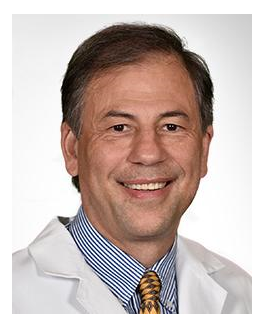
My scientific journey in breast cancer has spanned almost four decades, during a period of extraordinary transformation in our understanding and treatment of the disease. I have had the privilege not simply of witnessing that transformation, but of participating in it—and, in some areas, helping to shape it.
I entered the field at a time when breast cancer surgery was still strongly influenced by the belief that more extensive local treatment offered the greatest chance of cure. Early in my career, I was fortunate to work with Bernard Fisher, whose scientific vision profoundly influenced the way we came to think about breast cancer. He taught an entire generation that progress requires us to challenge accepted dogma, ask difficult questions, and—most importantly—allow evidence rather than tradition to guide treatment.
That philosophy became a foundation of my career.
Through my nearly three decades of leadership within the NSABP and subsequently NRG Oncology, much of my research has focused on understanding the relationship between systemic therapy, tumor biology, and locoregional treatment. I have been particularly interested in neoadjuvant systemic therapy—not simply as a way to shrink tumors, but as a powerful scientific platform for understanding treatment response and using that response to individualize subsequent therapy.
My work has contributed to the evolution of breast-conserving surgery after neoadjuvant therapy, to our understanding of the prognostic importance of pathologic response, and to the progressive de-escalation of axillary surgery. More recently, my efforts have focused on defining when regional nodal irradiation or other locoregional treatments can safely be omitted in patients who respond exceptionally well to systemic therapy. These questions reflect a principle that has increasingly guided my work: the goal of modern cancer treatment should not simply be to cure more patients, but to cure them with the least possible physical and emotional cost.
Over the years, I have authored or co-authored hundreds of scientific publications and have had the opportunity to collaborate with remarkable investigators across surgery, medical oncology, radiation oncology, pathology, imaging, and basic science. Yet the accomplishment I value most is being part of a collaborative clinical-trials enterprise capable of asking questions that no individual investigator or institution could answer alone.
What has driven me throughout this journey is curiosity, but also responsibility. Every operation we perform and every treatment we recommend has consequences that a patient may carry for the rest of her life. If science can show us that an intervention is unnecessary, then avoiding that intervention is itself an important therapeutic advance.
Breast cancer research has taught me that progress rarely occurs through a single dramatic discovery. It comes through decades of carefully designed trials, collaboration, questioning, and the willingness to change our practice when the evidence tells us to do so.
My journey has therefore been one of continual evolution—from radical to rational, from anatomy toward biology, and increasingly from uniform treatment toward individualized care. After more than three decades, I remain motivated by the same question that first drew me to clinical research: Can we do better for the next woman who walks through our door?

Eleftherios P. Mamounas, MD, MPH, FACS






